

The IFDH Innovation Awards program, sponsored by Haleon, recognizes innovative Dental Hygienists and Therapists with a focus on technology and treatment.
The awards will recognize you, or someone you know, who is currently in the process of developing, or already developed (in the past 5-6 years):
- New equipment for achieving optimal oral health; or
- New treatments or oral health products for the oral health community to enable our colleagues to help their clients achieve a healthy mouth.
Whether as a solo researcher/developer or as part of a team, Haleon and IFDH want to recognize the innovators in our midst.
Deadline for Submission: January 30, 2027
1st Place
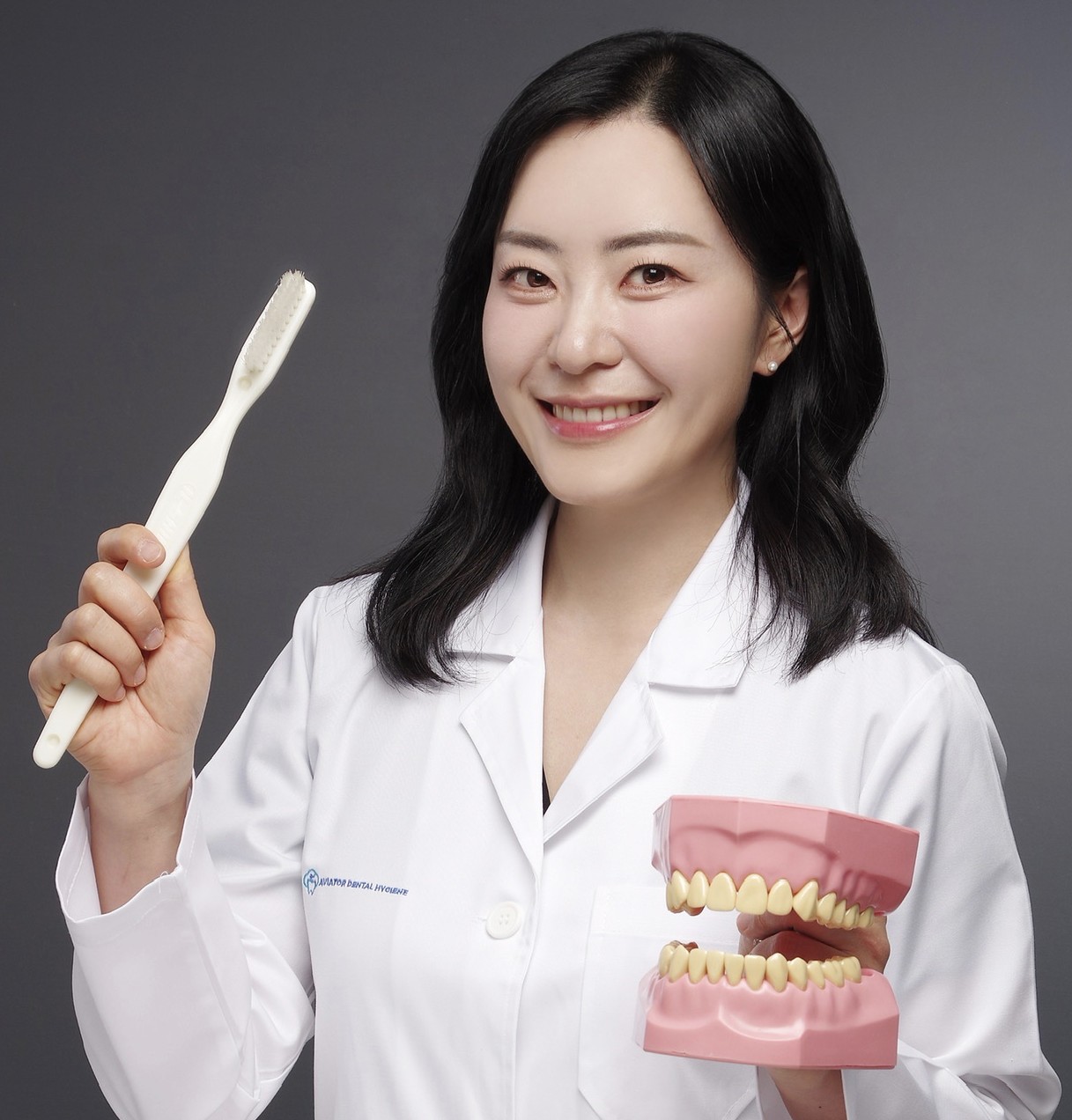
Aviator Community-Based Preventive Oral Health Innovation ModelHwan Hee Kim
Canada
This project introduces an aviation-enabled, preventive oral healthcare model designed to address critical access gaps in remote and underserved communities. As a licensed dental hygienist, pilot, and instructor at the Vancouver College of Dental Hygiene, I am positioned to deliver both clinical preventive services and structured oral health education through direct community outreach. The model leverages portable equipment and evidence-based preventive technologies to shift care delivery from a reactive, clinic-based system to a proactive, community-centered approach. While the initiative is in the early stages of implementation, it demonstrates strong feasibility and scalability in overcoming geographic and infrastructural barriers. This framework aims to improve oral health outcomes and expand equitable access to preventive care in hard-to-reach populations.
1st Place
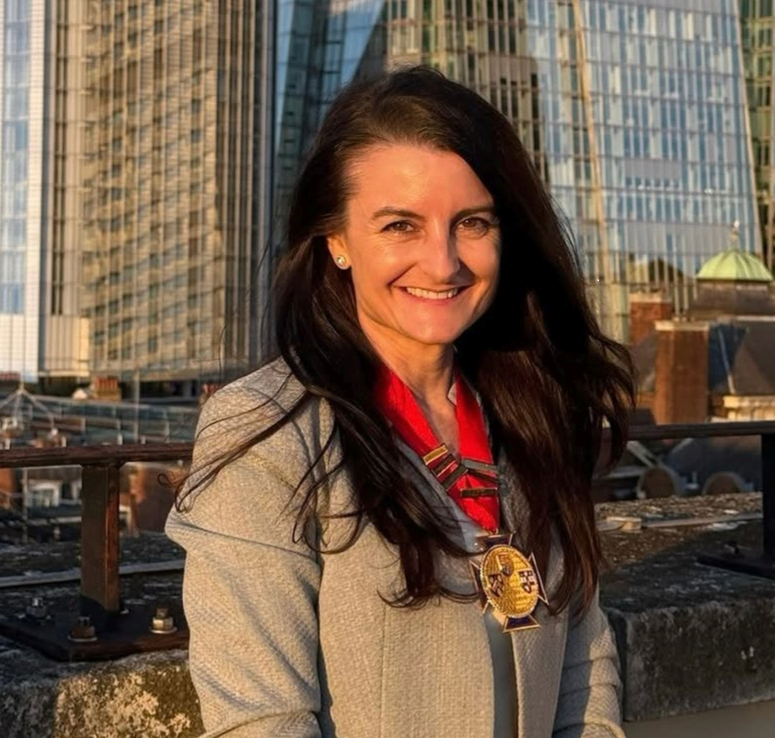
Aero- NOVA Aerosol Control TechnologyClaire McCarthy
United Kingdom
This project aimed to develop a preventive approach to aerosol control during ultrasonic scaling by reducing aerosol formation at the point of generation, rather than relying on mitigation strategies after airborne dispersion has occurred. Aero-NOVA is a viscosity-modified coolant formulation engineered to alter fluid behaviour during ultrasonic activation, reducing fragmentation and suppressing the generation of respirable aerosol particles. The project involved the development of a bespoke environmental testing chamber and simulated dental surgery model to enable controlled aerosol characterisation during instrumentation. Validation incorporated high-speed imaging to analyse coolant dynamics and cavitation behaviour, alongside multiple real-time particle sensors positioned around the operative field and simulated patient to quantify particles <5 µm. The studies demonstrated significant reductions in respirable aerosol production compared with conventional coolant systems, while maintaining ultrasonic functionality and biofilm removal efficacy. Three patents have been granted as part of the project. The next phase of the work involves first-in-human clinical evaluation and progression through the relevant medical device regulatory and classification pathways.