


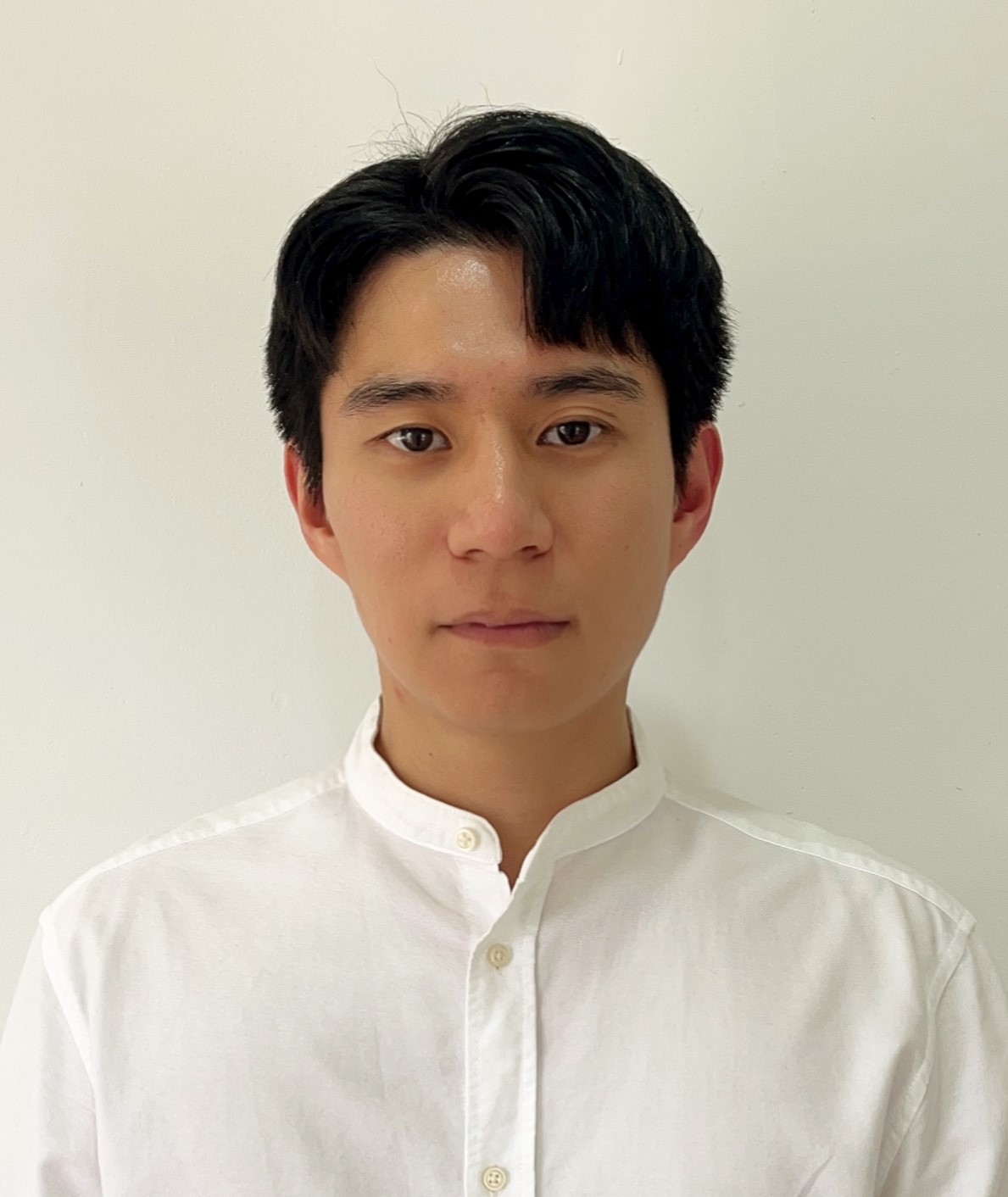
Heuiwon Han
Auckland University of Technology
Roles of oral health practitioners in child abuse and neglect responses
The United Nations Convention on the Rights of the Child asserts that all children have the right to protection from abuse and exploitation. Unfortunately, child abuse and neglect are significant global health and social issues. In New Zealand, oral health practitioners are uniquely positioned to respond to child protection concerns, as the government provides free oral health care to all children and adolescents. A mixed-method sequential exploratory design is adopted to explore the understanding, perspectives, and attitudes of New Zealand oral health practitioners in their roles in child protection responses and identify approaches to enhance the responsiveness to support children and families who may be at risk.

Oh Run Kim
University of British Columbia
Immunohistochemical Expression of the LPS/TLR-4/NF-kB/PD-L1 Axis in Oral Premalignant and Malignant Lesion
Recent evidence suggests that chronic inflammation, induced by the bacterial toxin lipopolysaccharide (LPS), may play a role in the development of oral cancer via the TLR-4/NF-kB/PD-L1 pathway. This study aims to investigate the expression patterns of LPS, TLR-4, NF-kB, and PD-L1 in oral precancerous and cancerous tissues using multiplex immunohistochemistry. The findings will shed light on their roles as potential biomarkers for an upcoming longitudinal study designed to predict the malignant transformation of oral precancerous lesions, which is crucial for early diagnosis and treatment of oral cancer.